
- Your cart is empty
- Continue Shopping
The Natural Compound for Blood Sugar, Metabolism & Longevity
- Anti-Aging & Longevity
- Posted on
-
 by
admin
by
admin
 by
admin
by
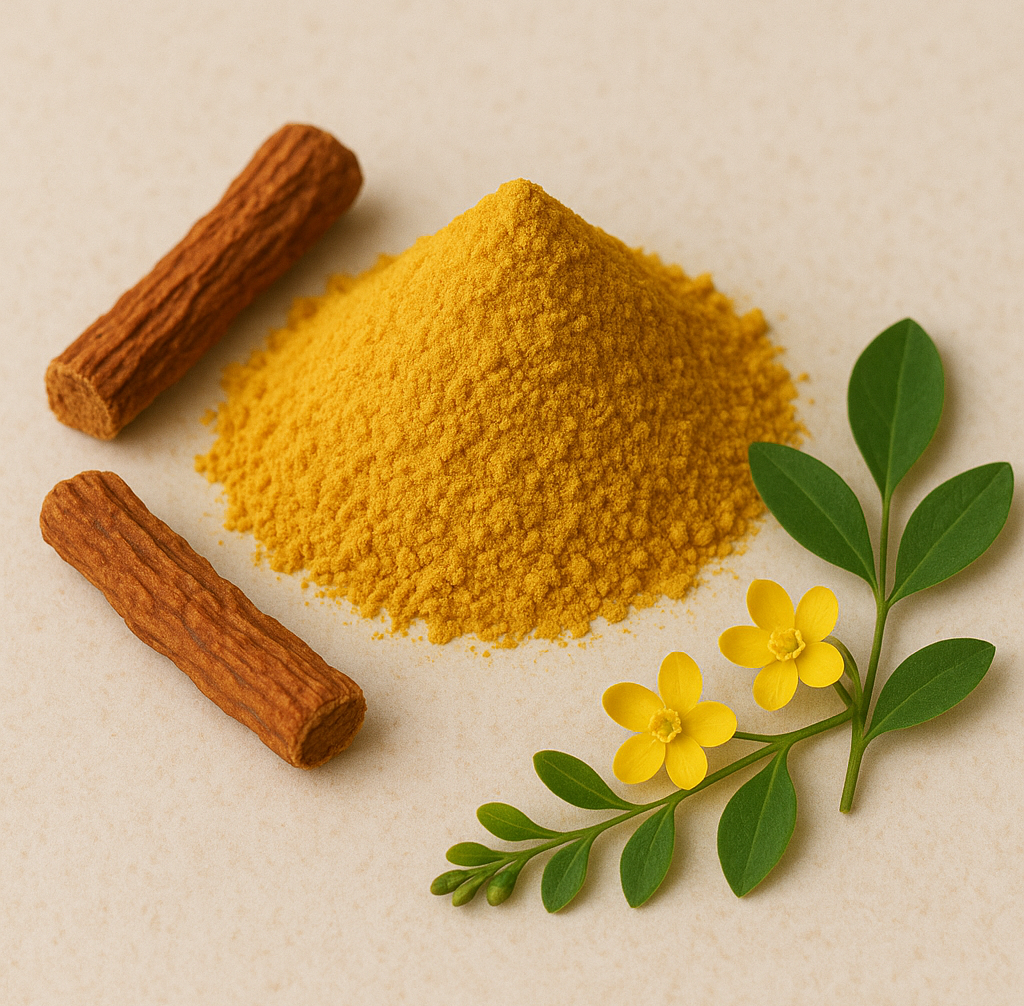
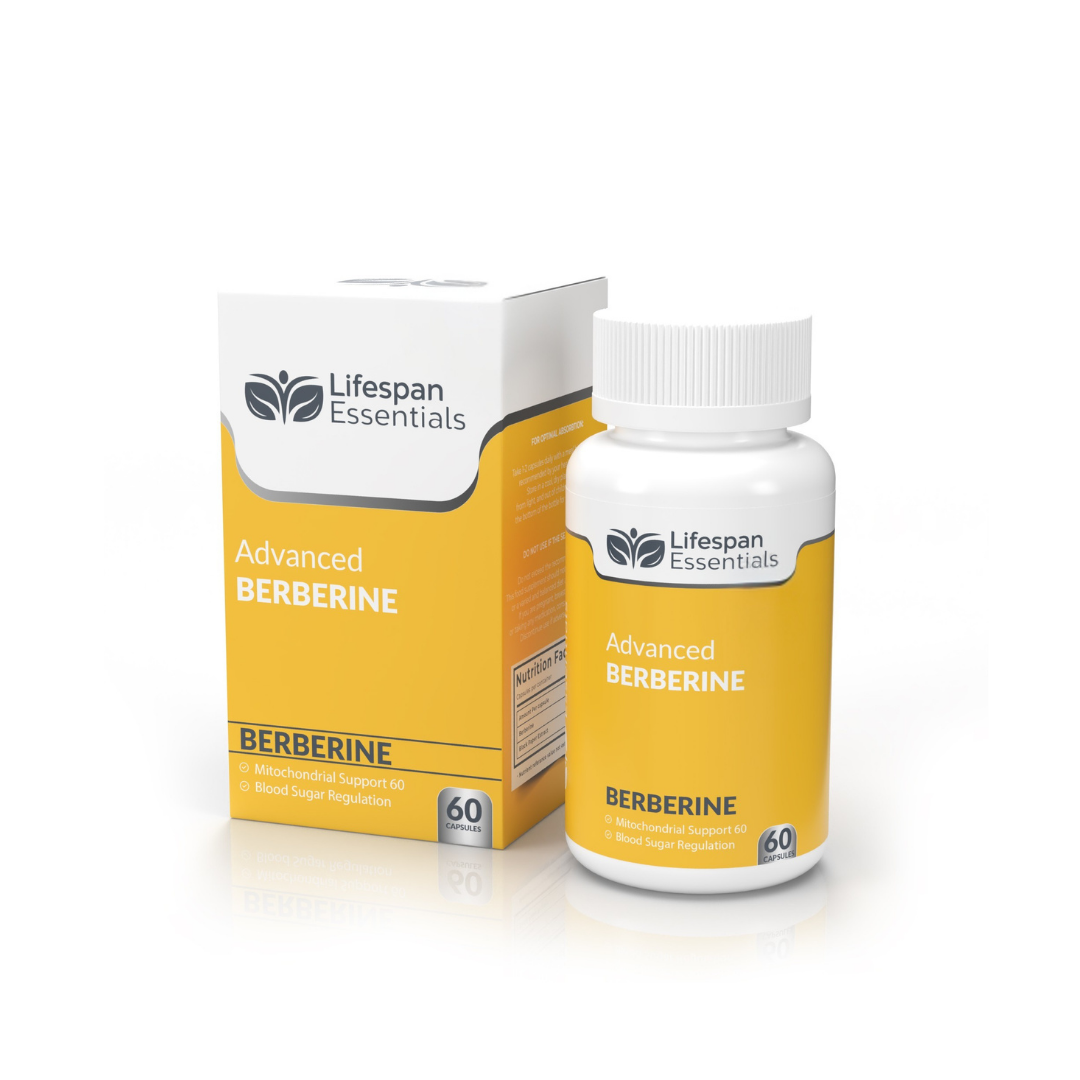
admin Berberine is a bioactive compound found in several plants, including Berberis vulgaris (barberry) and Coptis chinensis(goldthread). It has been used in traditional Chinese and Ayurvedic medicine for centuries, but in recent years, modern science has uncovered compelling evidence of its health benefits. Known for its striking yellow color and bitter taste, berberine is now gaining attention as one of the most promising natural supplements for metabolic and cardiovascular health.
One of berberine’s most researched benefits is its effect on blood sugar regulation. Studies have shown that berberine can help support healthy glucose metabolism by improving insulin sensitivity and enhancing glucose uptake in cells. In fact, some research suggests its blood sugar–lowering effects may be comparable to certain prescription medications (NIH NCBI). For individuals seeking natural support for metabolic health, this makes berberine a valuable ally.
Berberine also plays a role in weight management and lipid balance. By activating an enzyme called AMP-activated protein kinase (AMPK) — often referred to as the body’s “metabolic master switch” — berberine helps regulate energy production, fat metabolism, and cellular repair. Clinical studies have reported reductions in body weight, triglycerides, and LDL cholesterol with consistent berberine supplementation (Frontiers in Pharmacology).
Beyond metabolism, berberine’s antioxidant and anti-inflammatory properties contribute to cardiovascular health. Research indicates that it may help improve circulation, reduce oxidative stress, and support overall vascular function. These benefits make berberine a natural choice for individuals aiming to maintain heart health and long-term vitality.
What sets berberine apart is the breadth of its potential applications. From balancing blood sugar to supporting weight management and promoting heart health, this compound works on multiple pathways to enhance wellness. However, it’s important to note that berberine is best taken in divided doses, as it has a relatively short half-life in the body. Most studies have used doses of around 500 mg, two to three times daily, for noticeable benefits (Examine.com).
Incorporating berberine into a wellness routine may provide a natural foundation for better metabolic balance, improved energy, and long-term health. For anyone seeking a research-backed supplement to support healthy aging and vitality, berberine stands out as one of the most promising options available.